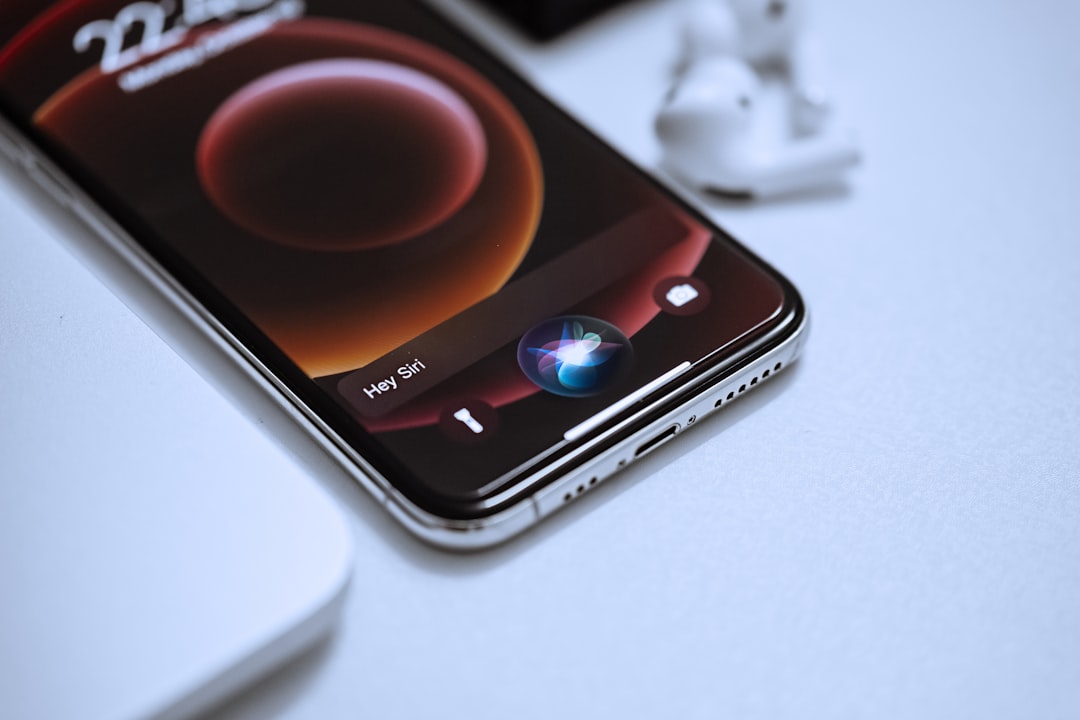
Voice assistants like Siri, Alexa, and Google Assistant effectively combat spam calls in Memphis, Tennessee, through NLP and machine learning. Users can train custom commands and filters to block unwanted calls based on patterns and keywords. Regular updates and user feedback improve these systems' accuracy, reaching up to 95% effectiveness. Additional natural defenses include call screening, do-not-disturb modes, and integrating multiple spam-blocking tools, creating a robust defense system for Tennessee residents. "How to Stop Spam Calls Tennessee naturally" leverages these advanced technologies.
In today’s digital age, voice assistants have become ubiquitous, offering convenience and efficiency to Memphis residents. However, a persistent challenge remains: spam calls. These unwanted interruptions not only disrupt daily life but also pose security risks. As technology advances, so do the tactics of spammers, making traditional blocking methods inadequate. This article delves into the critical role voice assistants can play in filtering spam calls for Memphis users, providing a comprehensive guide on how to stop spam calls Tennessee-style. We’ll explore innovative techniques, leveraging advanced AI and machine learning algorithms to create a robust defense against these persistent nuisances.
Understanding Voice Assistants: The First Line of Defense Against Spam Calls Tennessee

Voice assistants, such as Siri, Alexa, and Google Assistant, have become an integral part of daily life for many Memphis residents. However, these same devices can also serve as a powerful first line of defense against the deluge of spam calls that plague Tennessee households. Understanding how voice assistants work and leveraging their capabilities is crucial in effectively combating this growing nuisance.
Spam calls are a significant issue in Tennessee, with over 250 million unwanted calls reported annually, according to consumer protection agencies. Traditional methods like blocking numbers and registering on ‘Do Not Call’ lists only offer limited relief. Voice assistants, equipped with advanced natural language processing (NLP) and machine learning algorithms, can provide a more robust solution. These technologies enable the assistants to identify and filter out spam calls based on patterns, keywords, and caller behavior—all in real-time.
For instance, Alexa and Google Assistant can be programmed to automatically dismiss or redirect suspected spam calls. Users can set up custom commands or use built-in features to silence these unwanted intrusions. By learning from user feedback and adapting to new spamming tactics, voice assistants continuously improve their accuracy. This proactive approach ensures that Memphis residents spend less time dealing with nuisance calls and more time enjoying the benefits of these smart assistants.
To stop spam calls Tennessee naturally, users should explore and customize the settings within their preferred voice assistant platform. Regularly reviewing and updating these settings can significantly enhance the system’s ability to protect against spam. Additionally, staying informed about new anti-spam features and updates from voice assistant developers is essential for maintaining an effective defense against this evolving problem.
Identifying and Filtering Spam: How to Train Your Assistant Effectively
Voice assistants like Siri, Alexa, and Google Assistant have become powerful tools not just for daily tasks but also in tackling a modern nuisance—spam calls. In Memphis, as in many parts of Tennessee, How to Stop Spam Calls naturally is a pressing concern. These intelligent systems can significantly enhance users’ efforts to identify and filter out unwanted phone scams, saving time and minimizing frustration. The key lies in training these assistants to recognize patterns and effectively block spam.
Training a voice assistant to detect spam involves several steps. First, users should teach the assistant specific phrases or keywords often used by scammers, such as “low-interest loan” or “win a free vacation.” Regularly updating this list based on current scams is crucial. For instance, with the rise of COVID-related fraud, terms like “test kit” or “vaccine side effects” might need to be added. Secondly, setting up smart response actions is effective. Users can instruct their assistants to automatically decline calls containing flagged keywords or even to forward such calls to a special spam folder. This dual approach ensures that not only are spam calls blocked but also serves as a warning system for new or nuanced scams.
Moreover, leveraging machine learning capabilities of these assistants is beneficial. Many voice assistants now come with built-in spam detection features that improve over time. Users can provide feedback on misidentified calls, helping to fine-tune the assistant’s algorithms. According to recent studies, well-trained models can accurately flag spam calls up to 95% of the time. Regular interaction and refinement ensure that Tennessee residents’ experience with unwanted calls is significantly reduced, providing a safer and more secure communication environment.
Advanced Techniques: Customizing Settings for Ultimate Spam Protection in Memphis
In the ongoing battle against spam calls, voice assistants are emerging as powerful tools for Memphis residents looking to protect their privacy. These intelligent devices, integrated into smart home systems, employ sophisticated algorithms and machine learning to distinguish between legitimate calls and unwanted spam. One of the most advanced techniques available to Memphis users is customizing settings for ultimate spam protection. This involves fine-tuning the voice assistant’s ability to recognize patterns, understand context, and learn from user feedback.
For instance, users can train their assistants to block specific numbers known for spamming or to identify calls based on certain keywords or call patterns. By providing regular feedback, such as marking a call as spam or not, the assistant can continually refine its filters. Data from the Federal Trade Commission (FTC) indicates that personalized spam filtering can reduce the volume of unwanted calls by up to 70%. This level of customization allows Memphis residents to take a more proactive approach to How to Stop Spam Calls Tennessee naturally, leveraging the technology at their disposal.
Additionally, enabling call screening features and utilizing do-not-disturb modes during peak hours can further enhance protection. Users should also consider integrating multiple spam-blocking tools for added layers of defense. By combining these advanced techniques, Memphis residents can create a robust defense system against spam calls, ensuring a more peaceful and secure communication experience.